
Call us now :08045804460
 Send Inquiry
 Send Inquiry
Waste Garbage to Energy Power Plant
Waste Garbage to Energy Power Plant Specification
- Dimension (L*W*H)
- Varies as per project, typically 25m x 12m x 10m
- Coal Calorific
- Not applicable, processes mixed waste
- Gross Calorific Value
- 3500-6000 kcal/kg
- Size
- Custom/Varies as per plant design
- Product Type
- Waste Garbage to Energy Power Plant
- Material
- Mild Steel, Stainless Steel
- Shape
- Rectangular / Modular Structure
- Moisture (%)
- 20-40%
- Sulphur Content (%)
- 0.1-1.2%
- Fixed Carbon
- 15-25%
- Phosphorus Content (%)
- 0.01-0.2%
- Volatile Matter (%)
- 15-30%
- Ash Content (%)
- 10-25%
- Weight
- Up to 500 Tons (depends on plant capacity)
- Automation Grade
- Fully Automatic / Semi-Automatic options available
- Power Source
- Electricity / Steam Turbine
- Compliance Standards
- Meets CPCB, EPA, and International Emission Standards
- Capacity
- 1 MW to 24 MW and above
- Operating Temperature
- 800°C - 1200°C
- Control System
- SCADA/PLC based interface
- Feed System
- Automated Conveyor System
- Cooling System
- Water cooled / Air cooled
- Installation Type
- Turnkey / Modular Installation
- Applications
- Electricity Generation, Waste Management, Municipal Services
- Input Waste Types
- Municipal Solid Waste (MSW), Industrial Waste, Biomass, RDF
- Emission Control
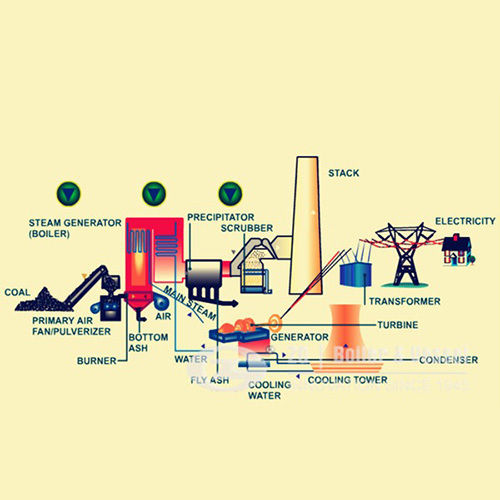
- Equipped with Scrubbers, Filters, ESPs (Electrostatic Precipitators)
- Service Life
- 20-25 years
- Combustion System
- Moving Grate / Fluidized Bed / Incinerator
About Waste Garbage to Energy Power Plant
Highlighted as a world-class solution, our Waste Garbage to Energy Power Plant is a true masterpiece in modern waste conversion technology. Get unparalleled value with plant capacities ranging from 1 MW to 24 MW and beyond. Choose from fully automatic or semi-automatic operations tailored to your needs. Capable of processing municipal solid waste, industrial waste, biomass, and RDF, the system features advanced combustion, robust emission controls, and turnkey installation. With a service life of 20-25 years, it ensures sustainable waste management and reliable electricity generation for municipalities, industries, and utilities across India.
Waste Garbage to Energy Power Plant: Versatile Applications
Our Waste Garbage to Energy Power Plant is extensively used for electricity generation and effective waste management. Suitable for both general and specific usages, these plants serve municipalities, industries, and service providers looking for sustainable waste disposal. They can process mixed and high-moisture waste, making them valuable for municipal services, industrial sites, and urban centers, ensuring efficient waste-to-energy transformation and maximizing resource recovery for any scale of operation.
Payment Terms, Sample Availability, and Certifications for Hassle-Free Procurement
We offer flexible payment terms to suit customer requirements, ensuring smooth logistics and seamless project drop-off. Upon request, plant samples or component demonstrations can be arranged to assess quality and fit for your installation. Fully certified and compliant with CPCB, EPA, and international standards, our solutions meet rigorous statutory needs. Rest assured, every plant is delivered with detailed documentation and relevant certifications to guarantee performance, safety, and environmental responsibility.
Waste Garbage to Energy Power Plant: Versatile Applications
Our Waste Garbage to Energy Power Plant is extensively used for electricity generation and effective waste management. Suitable for both general and specific usages, these plants serve municipalities, industries, and service providers looking for sustainable waste disposal. They can process mixed and high-moisture waste, making them valuable for municipal services, industrial sites, and urban centers, ensuring efficient waste-to-energy transformation and maximizing resource recovery for any scale of operation.
Payment Terms, Sample Availability, and Certifications for Hassle-Free Procurement
We offer flexible payment terms to suit customer requirements, ensuring smooth logistics and seamless project drop-off. Upon request, plant samples or component demonstrations can be arranged to assess quality and fit for your installation. Fully certified and compliant with CPCB, EPA, and international standards, our solutions meet rigorous statutory needs. Rest assured, every plant is delivered with detailed documentation and relevant certifications to guarantee performance, safety, and environmental responsibility.
FAQs of Waste Garbage to Energy Power Plant:
Q: How does the Waste Garbage to Energy Power Plant process different types of waste?
A: The plant accepts municipal solid waste, industrial waste, biomass, and refuse-derived fuel (RDF). Waste is fed through automated conveyors into advanced combustion systems like moving grate or fluidized bed incinerators, where it is transformed into energy while controlling emissions.Q: What are the primary benefits of using this Waste to Energy Power Plant?
A: Key benefits include efficient electricity generation, significant reduction in landfill dependency, compliance with international emission standards, and long-term reliability. It also supports improved municipal waste management and offers energy recovery from various waste streams.Q: When is it advisable to choose a fully automatic versus semi-automatic system?
A: A fully automatic system is ideal for large-scale or continuous operations where minimal human intervention is desired. Semi-automatic systems are suitable for moderate capacity plants or when budget and operational flexibility are priorities.Q: Where can this power plant be installed and what space is required?
A: The power plant is versatile for installation in urban, semi-urban, or industrial zones. Its modular or custom design ensures adaptability to site constraints, with typical dimensions around 25m x 12m x 10m, though size will vary with capacity and customer requirements.Q: What emission control technologies are incorporated for regulatory compliance?
A: The plants feature multiple emission control devices such as scrubbers, filters, and electrostatic precipitators (ESP), ensuring compliance with CPCB, EPA, and other international standards for emissions and environmental safety.Q: How can customers evaluate a plant before procurement?
A: Customers can request sample demonstrations or site visits to observe plant components and systems in operation, ensuring the offered solution meets their specific logistical and performance expectations before final commitment.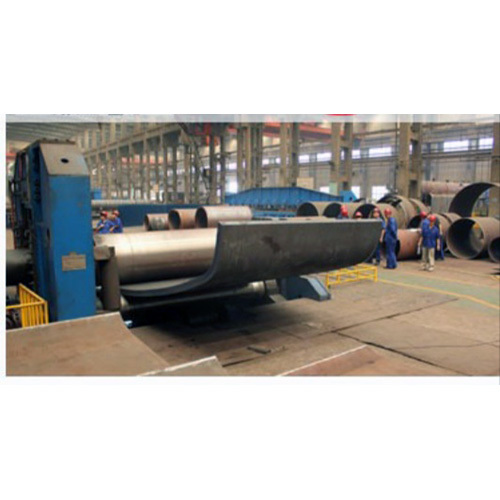
Tell us about your requirement

Price:
Quantity
Select Unit
- 50
- 100
- 200
- 250
- 500
- 1000+
Additional detail
Mobile number
Email

More Products in Waste to Energy Power Plants Category
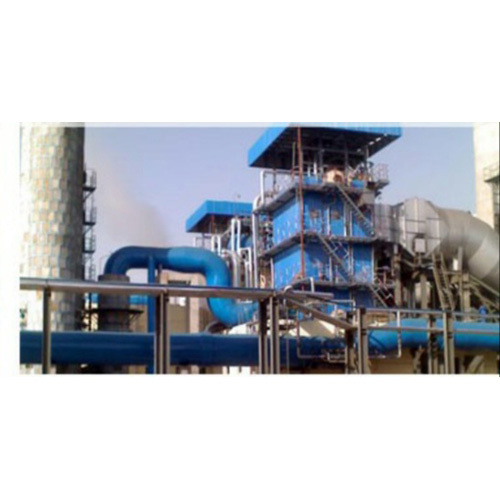
Waste Management Waste to Energy Power Plants
Product Type : Other, Waste to Energy Power Plant
Sulphur Content (%) : 0.5% Max
Ash Content (%) : 1618%
Material : Multiple Waste Streams (Household, Industrial, Agricultural)
Shape : Other, Customized Modular Construction
Phosphorus Content (%) : 0.040.05%
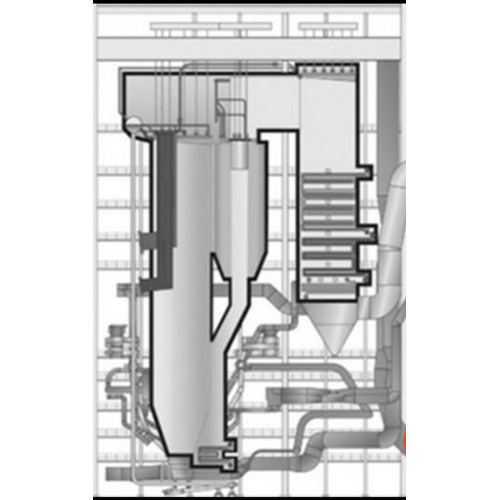
WTE Plant
Product Type : Other, Waste to Energy (WTE) Plant Fuel
Sulphur Content (%) : 0.61%
Ash Content (%) : 1522%
Material : Mixed Municipal Solid Waste
Shape : Other, Granular/Pellet
Phosphorus Content (%) : 0.020.07%
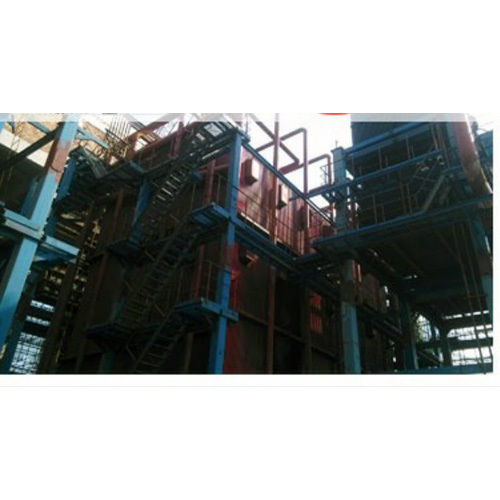
Biodegradable Waste to Energy Power Plant
Product Type : Other, Waste to Energy Power Plant
Sulphur Content (%) : < 0.6%
Ash Content (%) : 1828%
Material : Mild Steel, Stainless Steel, Other Alloys
Shape : Other, Rectangular/Modular
Phosphorus Content (%) : < 0.2%
Power Generation Waste to Energy Power Plant
Product Type : Other, Waste to Energy Power Plant
Sulphur Content (%) : <0.5
Ash Content (%) : 1530
Material : Stainless Steel, Mild Steel, Refractory Bricks
Shape : Other, Modular Plant System
Phosphorus Content (%) : <0.1

 Send Inquiry

Our Products

A-33, DSIIDC ENGINEERING COMPLEX, MANGOLPURI INDUSTRIAL AREA, PHASE-1,Delhi - 110083, India

Mrs Rashmi Kikan
(Managing Director)
Mobile :08045804460
 Send Inquiry
 Send SMS
Developed and Managed by Infocom Network Private Limited.
